
A diagnosis of brain tumour is frightening, but it helps to know that not every brain tumour is cancer, and that many can be treated successfully. This guide explains the common symptoms, how a brain tumour is diagnosed and what treatment involves, so you know what to expect when you seek brain tumour treatment in Pune.
What Is a Brain Tumour?
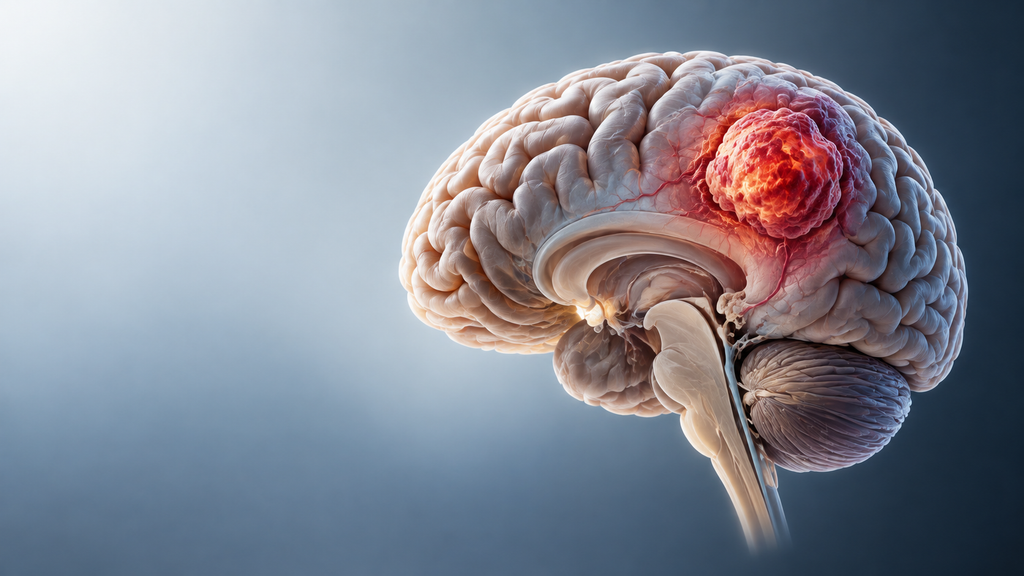
A brain tumour is an abnormal growth of cells in or around the brain. Tumours are broadly of two kinds:
- Primary tumours start in the brain or its coverings. Some are slow-growing (benign), and others are fast-growing (malignant).
- Secondary tumours (metastases) spread to the brain from cancer elsewhere in the body.
The type, size and location of the tumour decide the symptoms and the treatment.
Common Symptoms
Symptoms depend on where the tumour is, and they often develop gradually:
- Headaches that are new, persistent or worse in the morning
- Seizures (fits), especially for the first time in an adult
- Nausea and vomiting without a clear cause
- Blurred or double vision, or loss of part of the vision
- Weakness or numbness on one side of the body
- Difficulty with speech, memory or concentration
- Changes in personality or behaviour
- Loss of balance or trouble walking
Many of these symptoms have other, far more common causes, such as migraine or stress. But if they are new, persistent or getting worse, get them checked rather than waiting.
When to See a Neurosurgeon
Consult a specialist if you have:
- A headache that keeps getting worse or does not respond to usual treatment
- A first-ever seizure
- Progressive weakness, vision problems or difficulty speaking
- Any sudden change in behaviour or memory that others have noticed
Go to an emergency department immediately for a seizure that does not stop, sudden severe headache with vomiting or drowsiness, or sudden weakness or loss of speech.
How Is a Brain Tumour Diagnosed?
- Neurological examination to check strength, sensation, vision, balance and speech
- MRI scan of the brain, usually the most useful test, often with contrast to show the tumour clearly
- CT scan, which is helpful in emergencies
- Biopsy or examination of the removed tissue, which confirms the exact type of tumour
Sometimes additional scans are needed to plan surgery safely.
Treatment Options
Treatment is planned individually and often involves a team of a neurosurgeon, an oncologist, a radiation specialist and rehabilitation professionals.
- Observation: Some small, slow-growing tumours that cause no symptoms are watched with regular scans.
- Surgery: Often the first step. The goal is to remove as much of the tumour as can be done safely, relieve pressure on the brain and obtain tissue for diagnosis. Modern techniques, including microsurgery, image guidance and endoscopic approaches for selected tumours, help surgeons work with greater precision.
- Radiotherapy or radiosurgery: Focused radiation to treat remaining tumour or tumours that cannot be operated on.
- Chemotherapy and targeted therapy: Used for certain types of tumour, depending on the diagnosis.
- Medicines: To control seizures, swelling and headaches during treatment.
Recovery and Follow-Up
Recovery depends on the type of tumour, the surgery and the patient’s general health. Physiotherapy, speech therapy and occupational therapy help patients regain function. Regular follow-up scans are an important part of care, because they check whether the tumour is stable or has returned.
Questions to Ask Your Doctor
- What type of tumour is it, and is it likely to grow quickly?
- Is surgery needed now, or can it be watched?
- What are the risks and benefits of each option?
- What can I expect during recovery?
- What follow-up will I need?
Asking these questions, and getting a second opinion if you want one, helps you make decisions with confidence.
Consult a Neurosurgeon in Pune
At NeuroCure, Dr Abhijit Chandankhede, a consultant neurosurgeon, evaluates patients with brain tumours and other brain and spine conditions. He explains the diagnosis, the options and the risks clearly, so patients and families understand each step. Consultations are held at Vishwaraj Hospital, Loni Kalbhor, Pune.
To book an appointment, call or message us at 9850630493
This article is for general information and does not replace a medical consultation. Please see a doctor for advice about your own condition.