
A stroke is a medical emergency. Every minute without treatment can damage brain cells that do not grow back. Knowing the warning signs and reaching a hospital quickly is the most important step in stroke treatment in Pune, or anywhere else.
What Is a Stroke?
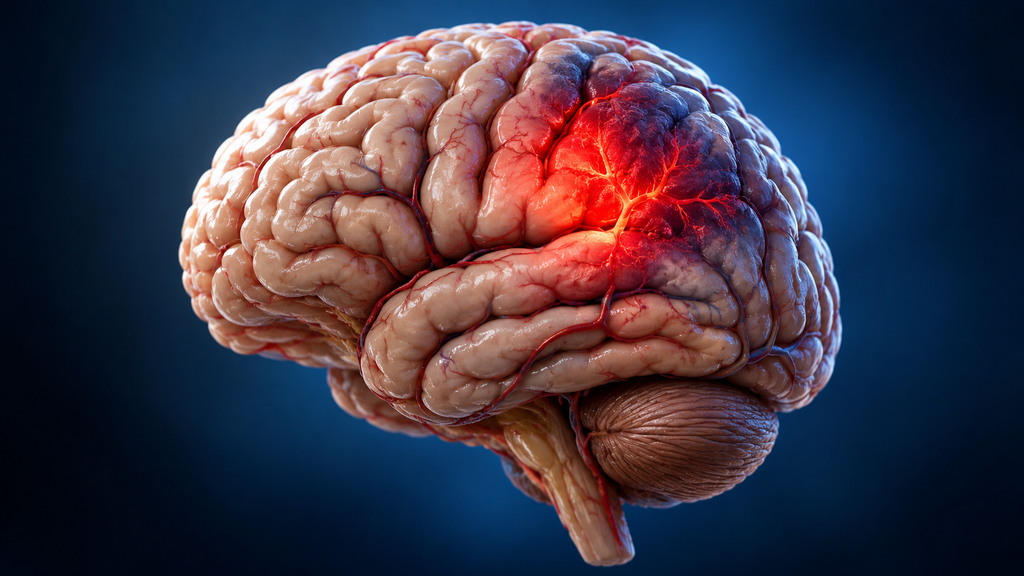
A stroke happens when blood flow to part of the brain is cut off or when a blood vessel in the brain bursts. There are two main types:
- Ischaemic stroke: A blood clot blocks an artery supplying the brain. This is the more common type.
- Haemorrhagic stroke: A blood vessel ruptures and bleeds into or around the brain. This is often linked to high blood pressure or a weak spot in a vessel.
Warning Signs: Remember FAST
- F – Face: One side of the face droops or the smile looks uneven
- A – Arm: One arm or leg becomes weak or numb
- S – Speech: Speech is slurred, confused or difficult to understand
- T – Time: Call for emergency help and go to the hospital immediately
Other signs include sudden vision loss, severe dizziness or loss of balance, and a sudden, very severe headache.
Do not wait for symptoms to pass. Even if they improve, a brief episode can be a warning of a larger stroke to come.
Why Time Matters
Clot-dissolving medicine works only within a limited window after symptoms start, and some patients may also need procedures to remove the clot. Eligibility depends on the timing and scan findings, so the earlier a patient arrives, the more options the treating team has. Bring the person to a hospital with CT or MRI facilities and a stroke-capable team, and tell the doctors the exact time symptoms began.
Risk Factors
- High blood pressure, the biggest risk factor
- Diabetes and high cholesterol
- Smoking and tobacco use
- Heart rhythm problems such as atrial fibrillation
- Obesity and a sedentary lifestyle
- Excessive alcohol use
- A family history of stroke
How Is a Stroke Treated?
Treatment depends on the type of stroke:
- Ischaemic stroke: Medicines to dissolve or prevent clots, and in selected patients a procedure to remove the clot from the blocked artery.
- Haemorrhagic stroke: Controlling blood pressure and bleeding, and in some patients neurosurgery to remove the blood clot, relieve pressure on the brain or treat the vessel that has bled.
After the emergency phase, rehabilitation, including physiotherapy, speech therapy and occupational therapy, helps patients regain function. Recovery is different for every person, and starting rehabilitation early usually helps.
How to Reduce Your Risk
- Check your blood pressure regularly and take medicines as advised
- Keep blood sugar and cholesterol under control
- Stop smoking and limit alcohol
- Eat a balanced diet with less salt and fried food
- Walk or exercise for at least 30 minutes on most days
- Get a check-up if you have a family history of stroke or heart disease
Consult a Neurosurgeon in Pune
At NeuroCure, Dr Abhijit Chandankhede, a consultant neurosurgeon, evaluates patients with brain haemorrhage and other conditions of the brain and nervous system, and guides them and their families on the next steps. Consultations are held at Vishwaraj Hospital, Loni Kalbhor, Pune.
In an emergency, go to the nearest hospital immediately. For a consultation or follow-up, call or message us at 9850630493
This article is for general information and does not replace medical advice. If you or someone near you shows signs of a stroke, seek emergency care at once.